.svg)

SS Spotlight
How a Baseline Assessment Breaks the Reactive Maintenance Cycle
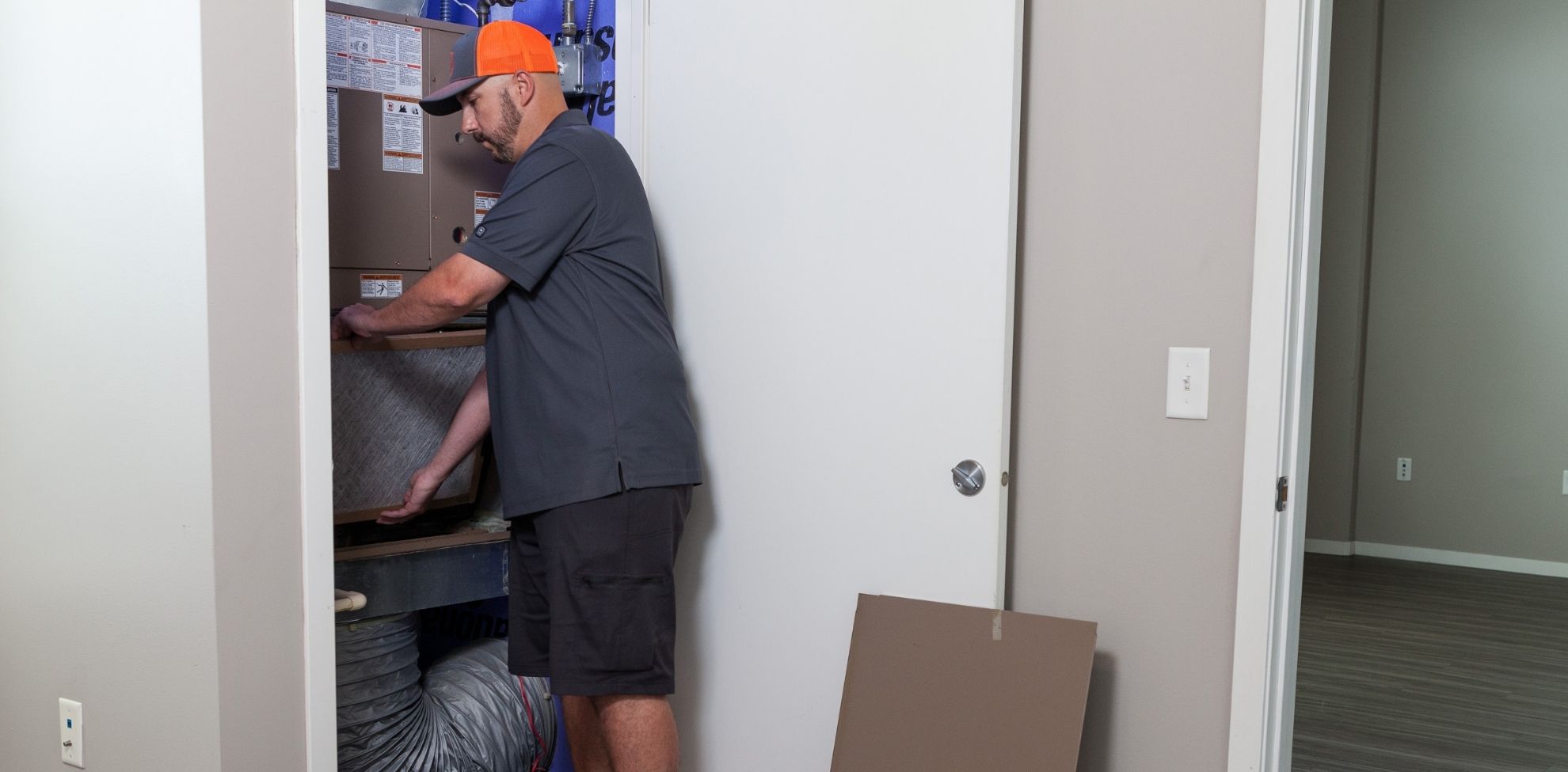
There’s a pattern that repeats itself in multifamily properties. A building runs without a documented maintenance plan. Small issues accumulate quietly — filters go unchanged, drains dry out, emergency lighting fails one fixture at a time. Nothing feels urgent until something breaks. Then the emergency repair costs three to five times what the planned repair would have cost, and the maintenance team spends the next two weeks putting out fires instead of preventing them. By the time things stabilize, three more small issues have quietly accumulated. The cycle restarts.
Facilities management leaders have a name forthis. They call it the reactive maintenance trap. The data across commercial portfolios is consistent: reactive buildings cost more over five years than properties running on planned maintenance programs. Equipment gets replaced earlier. Emergency contractor premiums eat into operating budgets. And maintenance teams spend most of their time responding to problems instead of preventing them.
But here’s what the industry conversation usually misses: you can’t switch from reactive to planned maintenance without a baseline. You can’t build a preventative maintenance calendar if you don’t know which systems need attention, which components are nearing the end of their useful life, and which items are in good shape. You need to know what you’re working with before you can plan around it. That’s what a building assessment is for.
The assessment isn’t the maintenance plan. It’s the foundation the maintenance plan gets built on. When an assessment documents every HVAC unit’s filter condition, every floor drain’s status, every fire extinguisher’s expiration date, and every exit light’s functionality, and more, the property manager can build a calendar instead of a wish list. Monthly filter replacements go on schedule. Drain maintenance gets calendared. Annual safety equipment checks happen before they become compliance violations.
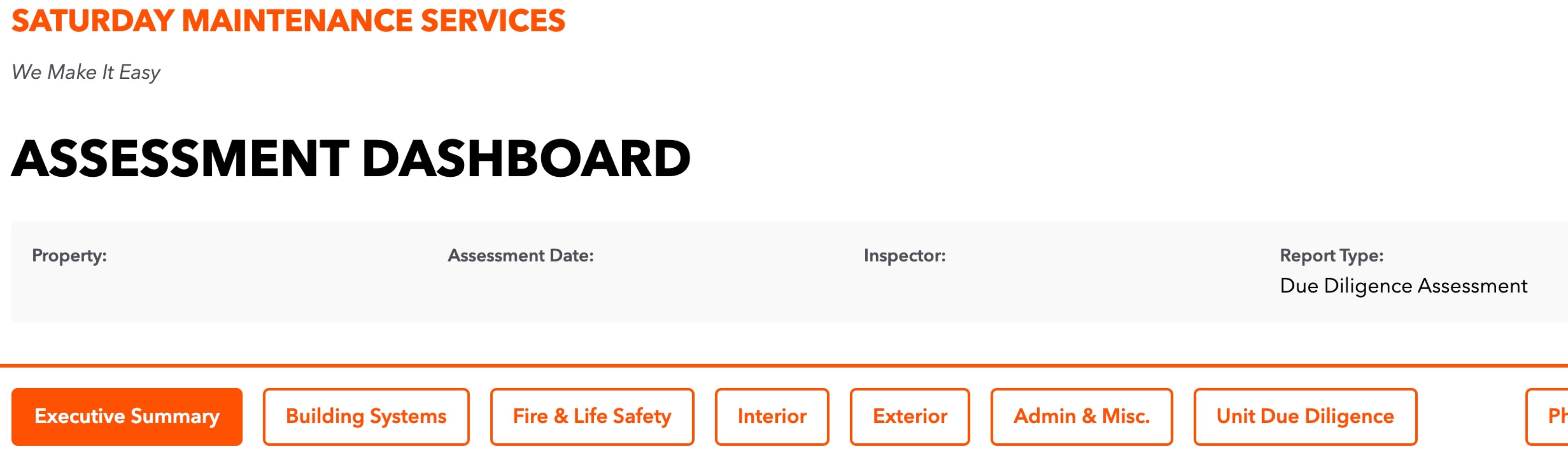
At Saturday Maintenance, we see this transition happen in real time. A property comes to us with no documented baseline — the previous management company left incomplete records, or the building simply never had an assessment. We walk the property, document every system across seven inspection categories, and classify every finding bypriority.
That documented baseline becomes the starting point for a preventative maintenance program. Filter replacement cadences get set based on actual conditions observed, not manufacturer defaults that assumea different building type. Seasonal preparation checklists reflect what the building needs heading into a Minnesota winter or spring, not a generic template pulled from the internet.
The shift from reactive to planned maintenance isn’t a mindset change. It’s an information problem. Properties stay stuck in the reactive cycle because nobody has taken the time to document what’s there. Once that documentation exists — prioritized, photographed,organized by system — the plan builds itself.
The most expensive maintenance decision a property can make isn’t choosing the wrong repair. It’s never documenting what needed repairing in the first place.
Service, Solve, Never Stop!